

🔥 TRENDING
SKINCARE | CLINICAL INSIGHTS
Last updated: January 10, 2025
The Best At-Home Skin Rejuvenation for 2025
What actually works — backed by science
Most skincare never reaches where skin change happens.
Creams sit on the surface. Clinic treatments are expensive and inconsistent. Injectables work — but come with cost, risk, pain and dependency.
This guide explains what improves skin quality, not just appearance.

This comprehensive guide breaks down the most popular treatments in 2026, separating hype from science so you can make an informed decision.
What Matters (Quick Read):
Why most topical skincare never reaches where skin change actually happens
How delivery systems matter more than ingredients alone
The real difference between microneedling, micro-infusion, and injectables
Which treatments improve fine lines, texture, pigmentation, and elasticity
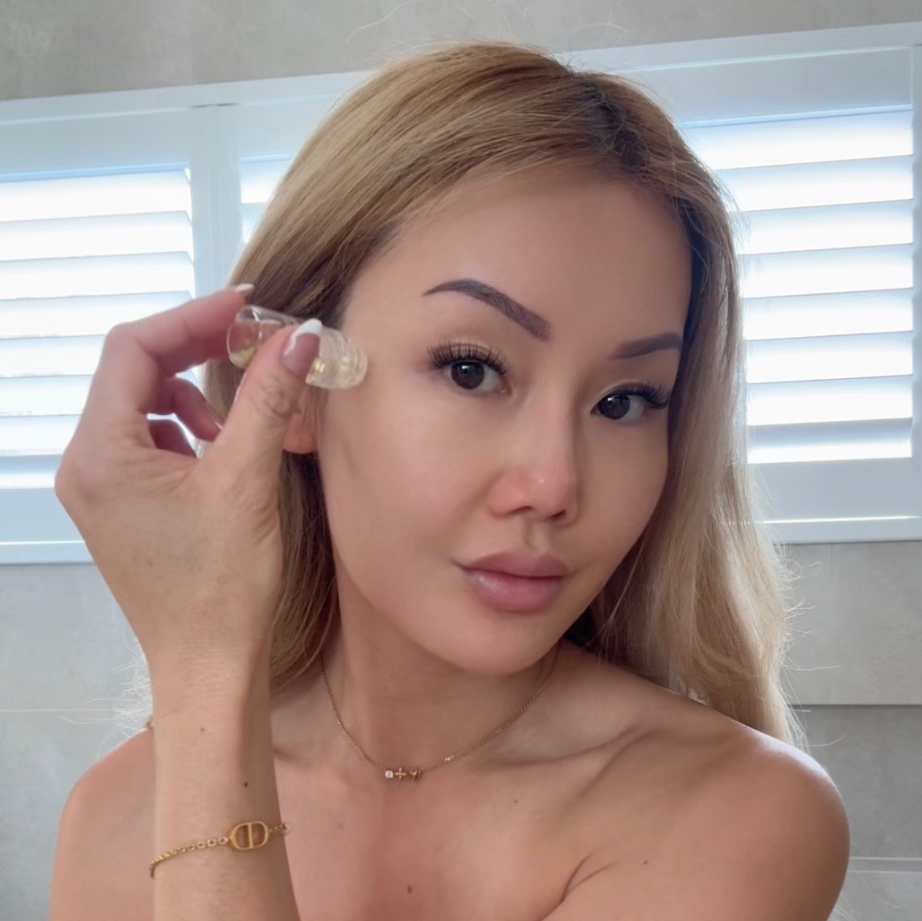
EDITOR’S CHOICE
Micro Infusion Systems
Why:
They bypass the skin barrier and place actives where renewal signals begin.
Unlike serums, micro-infusion doesn’t rely on absorption through intact skin.
Top Skin Treatment Types (2025)
Micro-Infusion Systems
Traditional Serums & Creams
Clinic Microneedling
Injectables (Botox / Fillers)
Energy Devices (RF / Laser)
Effectiveness Snapshots
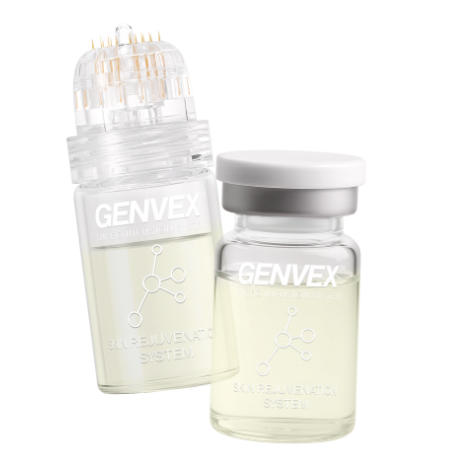
Micro-Infusion
✔ At-home consistency
✔ No drugs or downtime
✔ High skin quality improvement

Injectables
✔ Fast results
✖ High cost
✖ Ongoing dependency
Topicals
✔ Easy
✖ Minimal penetration
✖ Slow, limited results
#1 Micro-Infusion Systems (eg. Genvex Skin)
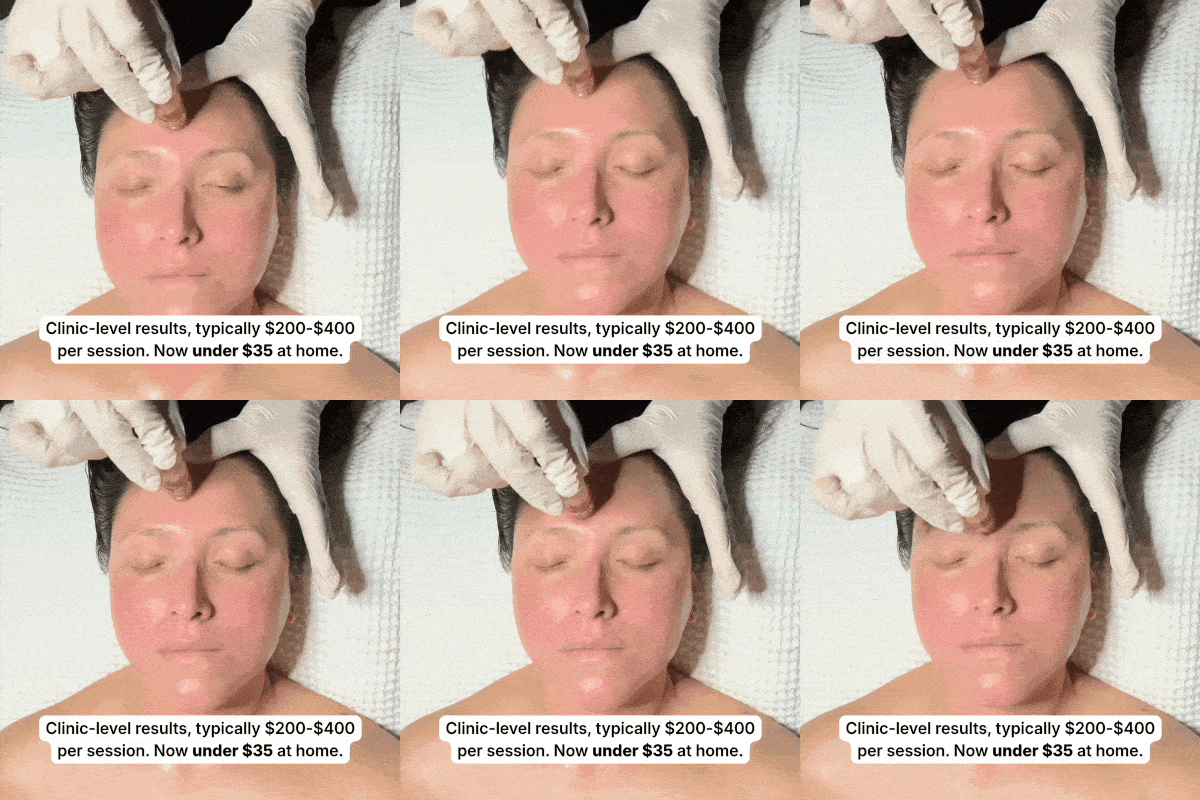
How It Works
GENVEX™ uses ultra-fine micro-infusion tips to:
1. Create controlled micro-channels
2. Deliver peptides and actives beneath the skin barrier
Trigger collagen and elastin signaling
This solves the biggest problem in skincare: poor penetration.
Studies Show:
✔️ Microneedling improves texture and collagen by 20–40%
✔️ Micro-channels increase absorption up to 10–15×
✔️ Copper peptides (GHK-Cu) support collagen, elasticity, and repair
✔️ Delivery depth matters more than ingredient strength
Bottom line:
Skin changes when signals reach the right layer.
Understanding Benefits
✔️ Boosts ingredient absorption by over 300%
✔️ Works on both hairline and crown thinning
✔️ Drug-free, no systemic side effects
✔️ Weekly treatments, easier than daily drops
✔️ Stimulates dormant follicles naturally
✔️ Visible results in 4–6 weeks
✔️ More cost-efficient long-term with maintenance plans
Considerations
✖ Higher initial investment than basic treatments
✖ Requires careful use of microneedling tools
✖ May experience stock shortages due to demand
#2 Injectable Treatments (Botox, Fillers, Skin Boosters)
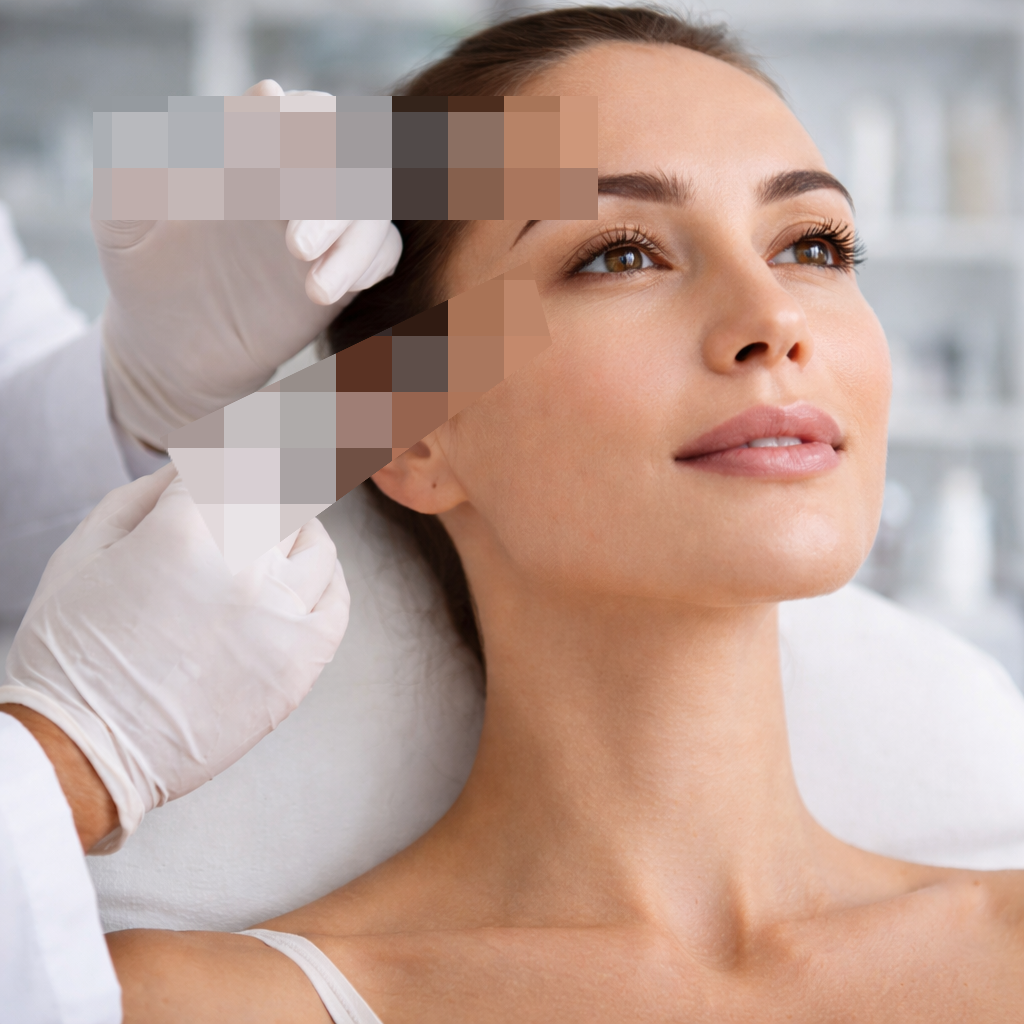
How It Works
Injectables alter facial appearance by either relaxing muscles (Botox) or adding volume and hydration directly into tissue (fillers, boosters).
They do not improve skin biology — they temporarily change structure or movement.
Advantages
✔️ Fast, visible results
✔️ Strong effects for wrinkles and volume loss
✔️ Performed by trained professionals
✔️ Useful for advanced aging concerns
Considerations
✖ High ongoing cost
✖ Can be painful
✖ Results are temporary
✖ Risk of overcorrection or unnatural appearance
✖ No improvement to underlying skin quality
✖ Requires repeat treatments indefinitely
#3 Traditional Topical Serums
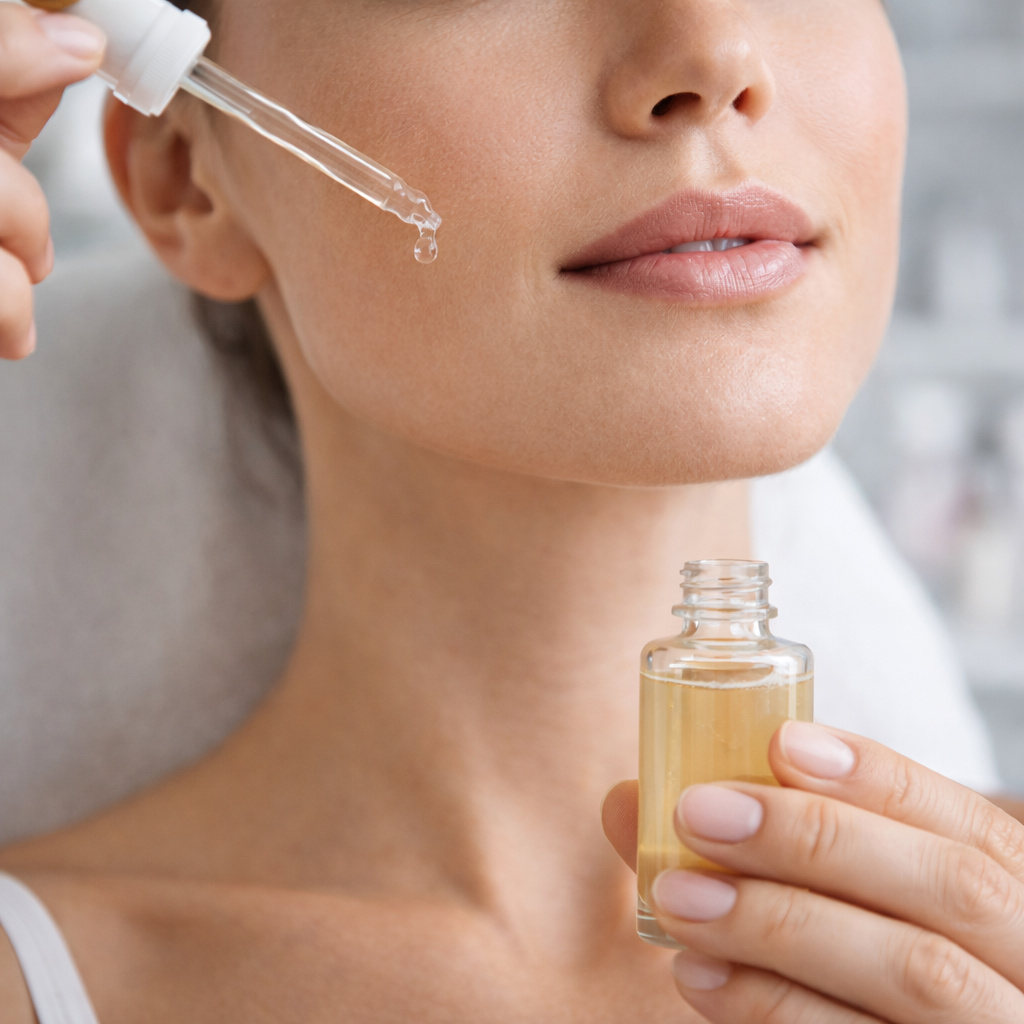
How It Works
Serums containing actives like retinoids, vitamin C, niacinamide, and peptides are applied to the skin surface to support hydration and mild renewal.
Advantages
✔️ Easy daily use
✔️ Very safe
✔️ Widely accessible
✔️ Improves surface appearance
✔️ Good entry-level skincare
Considerations
✖ Limited penetration through intact skin barrier
✖ Most actives never reach target layers
✖ Slow, modest results
✖ Highly dependent on formulation quality
✖ Often over-marketed relative to effect
#4 Energy-Based Devices (RF, Laser, LED)
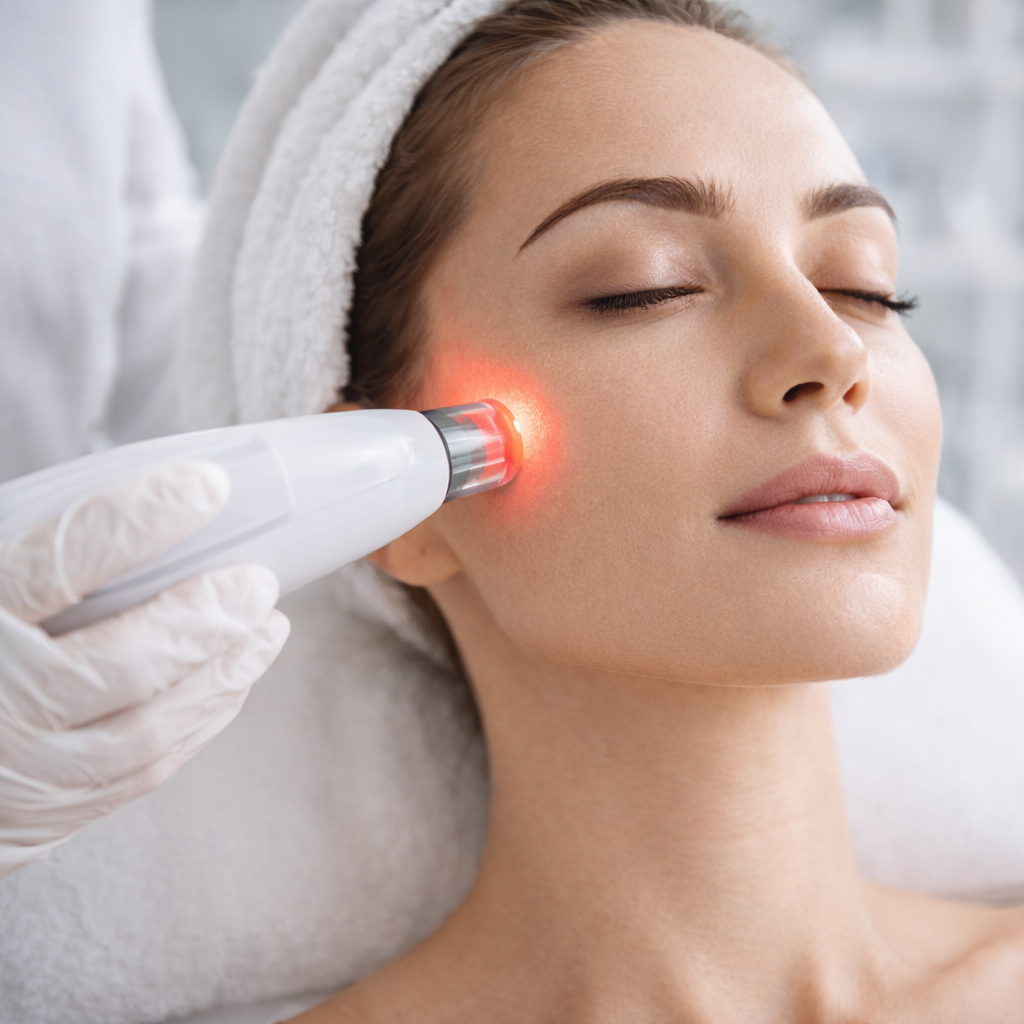
How It Works
Devices use heat or light energy to stimulate collagen remodeling or improve circulation within the skin.
Advantages
✔️ Non-injectable
✔️ Can improve firmness and tone
✔️ Professional oversight available
✔️ Multiple modalities to choose from
Considerations
✖ Expensive
✖ Results vary significantly
✖ Risk of irritation or burns
✖ Requires multiple sessions
✖ Not ideal for consistent at-home use
#5 “Active” Cleansers & Cosmetic Products
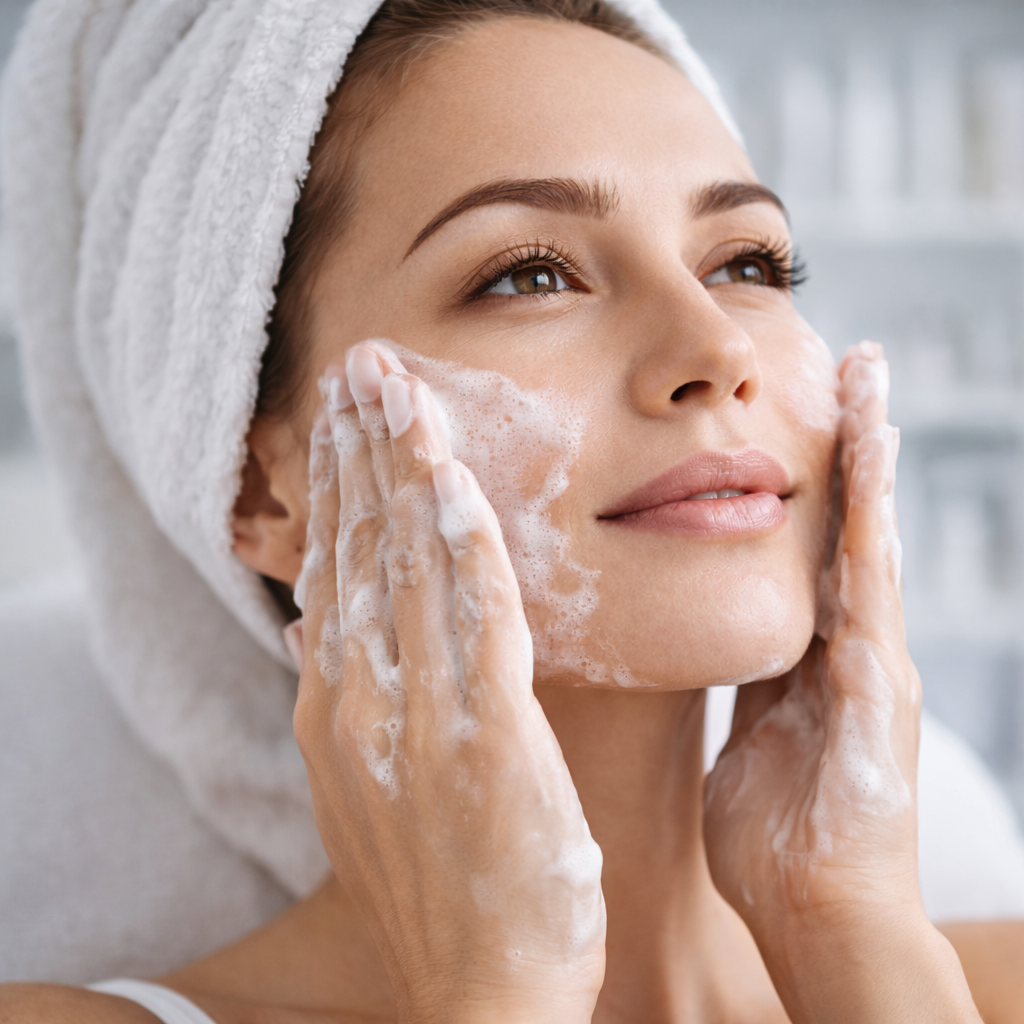
How It Works
Cleansers and cosmetic products contain ingredients intended to support scalp or skin health during brief contact.
Advantages
✔️ Extremely easy to use
✔️ Low cost
✔️ Improves skin feel temporarily
✔️ Low irritation risk
Considerations
✖ Minimal contact time
✖ Actives are rinsed away
✖ No meaningful impact on skin structure
✖ Not a treatment for aging or damage
How We Evaluate Skin Rejuvenation Treatments
Our evaluation framework combines clinical dermatology research with real-world user outcomes, focusing on long-term skin quality — not short-term cosmetic effects.
Our Criteria:
Safety Profile
Irritation risk, systemic exposure, and suitability for long-term use
Long-Term Sustainability
Ability to maintain results without dependency, escalation, or tissue distortion
Practical Considerations
Ease of use, cost, downtime, and consistency requirements
Mechanism of Action
How the treatment interacts with skin biology (collagen signaling, barrier function, renewal pathways)
Clinical Evidence
Peer-reviewed studies, dermatological consensus, and documented mechanisms of efficacy
Real-World Outcomes
Observed improvements in texture, tone, elasticity, and fine lines over time
Best At-Home Skin Solution (2026)
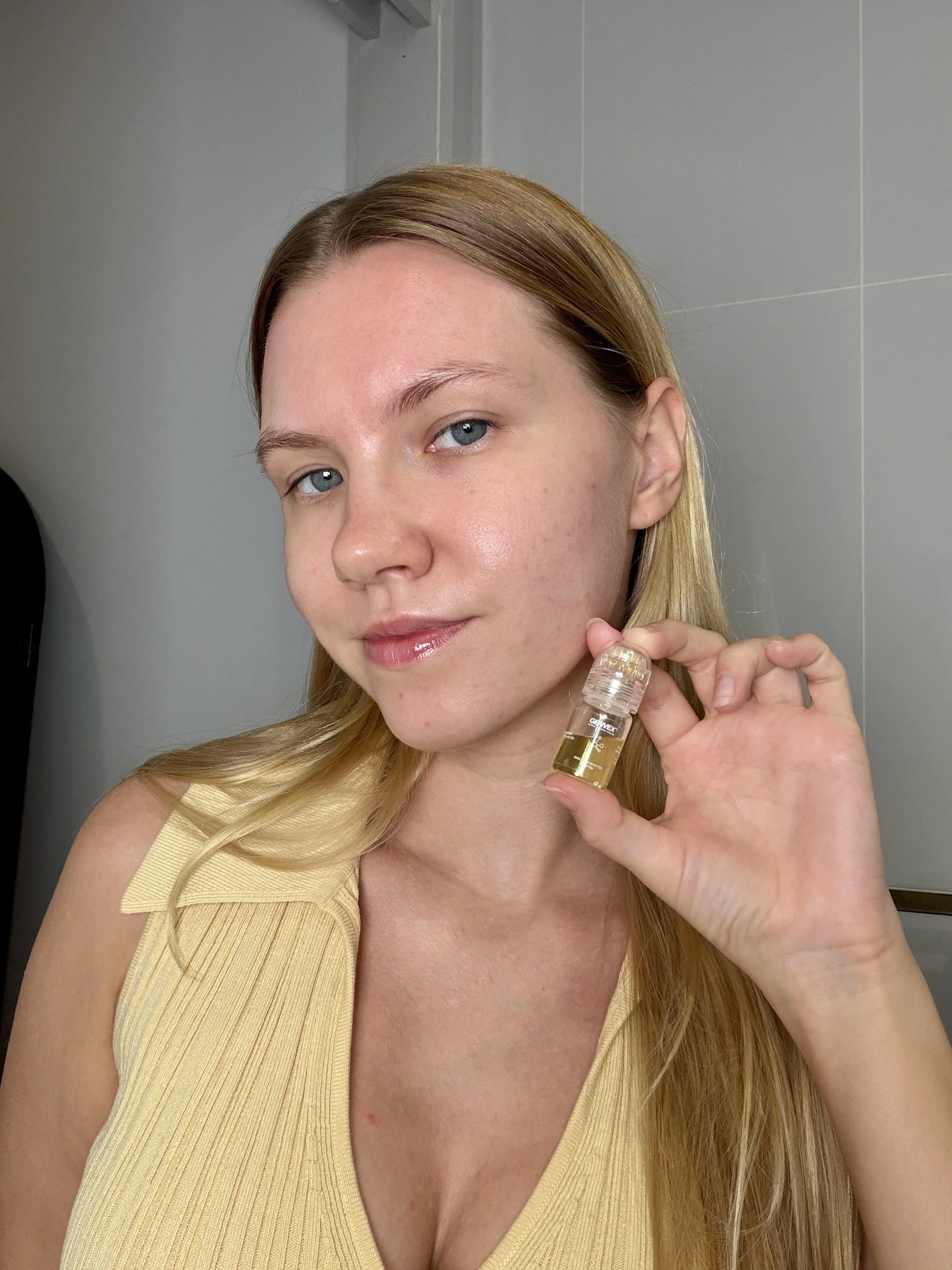
Micro-Infusion Systems (GENVEX)
✔ Clinical-inspired delivery
✔ Drug-free and non-invasive
✔ Bridges skincare and in-clinic treatments
✔ Designed for long-term skin health
GENVEX™ isn’t makeup for your skin.
It’s functional skin rejuvenation.
References & further reading
Micro-channels / microneedling for skin rejuvenation (wrinkles, texture, laxity)
Ablon G. Safety and Effectiveness of an Automated Microneedling Device in Improving the Signs of Aging Skin. Journal of Clinical and Aesthetic Dermatology. 2018. PMC+1
Ramaut L, et al. Microneedling: Where do we stand now? A systematic review. Journal of Plastic, Reconstructive & Aesthetic Surgery. 2018. ScienceDirect+1
Atiyeh BS, et al. Microneedling: Percutaneous Collagen Induction (PCI) — literature review for photoaging/scars/skin rejuvenation. 2021 (PubMed record). PubMed
Singh A, et al. Microneedling: Advances and widening horizons. Indian Dermatology Online Journal. 2016. Europe PMC
Merati M, et al. Microneedling with topical growth factors for facial rejuvenation (study write-up). JCAD. 2020. JCAD
Microneedles / micro-channels for enhanced delivery (why “delivery” beats topicals)
Kim YC, et al. Microneedles for drug and vaccine delivery (foundational review; explains stratum corneum bypass and delivery of biologics/peptides). Advanced Drug Delivery Reviews. 2012. PMC+1
Shin JY, et al. Clinical Safety and Efficacy Evaluation of a Dissolving Microneedle Patch (anti-aging context; efficient transdermal delivery). Annals of Dermatology. 2024. Annals of Dermatology
Copper peptide (GHK-Cu) + peptides (collagen/elastin signaling, repair)
Pickart L. GHK peptide as a natural modulator of multiple cellular pathways in skin repair / regeneration (review; includes collagen/ECM activity). Biomed Research International. 2015 (PMC). PMC
Pickart L. Regenerative and Protective Actions of the GHK-Cu Peptide (review; gene data + skin relevance). International Journal of Molecular Sciences. 2018 (PMC). PMC+1
Pollard JD, et al. Effects of copper tripeptide on growth and expression of growth factors by fibroblasts. Archives of Facial Plastic Surgery. 2005. PubMed
Badenhorst T, et al. Effects of GHK-Cu on MMP/TIMP expression, collagen/elastin production, and facial wrinkle parameters (split-face trial; wrinkle depth/volume endpoints). 2016 (PDF). @WalshMedical+1
Pickart L. Skin regenerative actions of copper peptides (overview). Cosmetics (MDPI). 2018. MDPI